






6
Mar
Energy, Resources & Industrials
Energy, Resources & Industrials: A Strategic Guide to Sustainable Industrial Growth
The energy, resources, and industrial sectors play a fundamental role in shaping global economic development. These industries provide the raw materials, infrastructure, and power necessary for manufacturing, transportation, construction, and technological innovation. As economies continue to expand and industrial demand rises, the need for sustainable and efficient management of energy and natural resources has become more critical than ever.
In recent years, businesses and governments worldwide have focused on balancing economic growth with environmental responsibility. Sustainable industrial growth is no longer just an environmental goal—it has become a strategic priority for organizations aiming to remain competitive in a rapidly changing global market. Companies operating in energy, resources, and industrial sectors must adopt innovative strategies, advanced technologies, and responsible resource management practices to ensure long-term sustainability.
Understanding the Energy, Resources & Industrials Sector
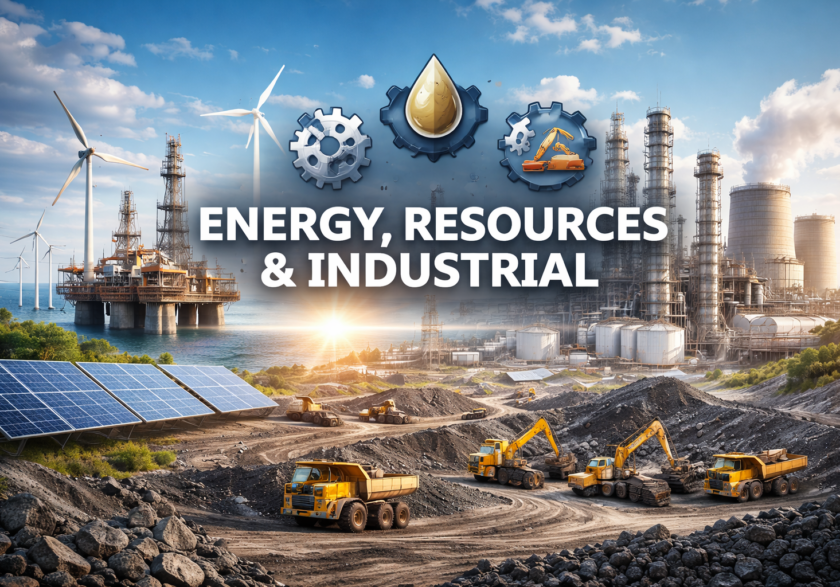
The energy, resources, and industrials sector includes a broad range of industries that are essential for economic development. These industries typically include energy production, mining, natural resources extraction, manufacturing, construction, and heavy industrial operations.
Energy companies focus on producing and distributing power through various sources such as fossil fuels, renewable energy, and nuclear power. Resource industries involve the extraction and processing of natural resources such as minerals, metals, oil, and gas. Meanwhile, industrial companies transform these resources into products and infrastructure used across different sectors of the economy.
Together, these industries form the backbone of modern economic systems by supplying essential materials, energy, and manufactured goods that support global trade and industrial development.
The Growing Importance of Sustainability in Industrial Growth
Sustainability has become a major focus for companies operating in the energy and industrial sectors. Traditional industrial processes often consume large amounts of natural resources and generate significant environmental impacts. As environmental awareness increases and governments implement stricter regulations, companies must adopt sustainable practices to remain compliant and competitive.
Sustainable industrial growth involves using resources efficiently, reducing environmental impact, and investing in renewable energy solutions. Organizations are increasingly adopting green technologies, improving energy efficiency, and implementing responsible waste management systems.
Sustainability also provides long-term economic benefits. Companies that invest in sustainable technologies often experience lower operational costs, improved brand reputation, and greater access to global investment opportunities.
Key Drivers of Growth in the Energy and Industrial Sector
Several factors are driving growth and transformation in the energy, resources, and industrial industries.
One major driver is the increasing global demand for energy. As populations grow and economies develop, the demand for electricity, fuel, and industrial power continues to rise. This demand encourages innovation in energy production and infrastructure development.
Another important factor is technological advancement. Digital technologies such as automation, artificial intelligence, data analytics, and smart manufacturing are transforming traditional industrial processes. These technologies improve efficiency, reduce operational costs, and enhance productivity.
Infrastructure development is also a significant growth driver. Governments around the world are investing heavily in transportation networks, energy infrastructure, and industrial facilities to support economic expansion and urban development.
In addition, the global transition toward renewable energy sources has created new opportunities in the energy sector. Solar, wind, and other renewable technologies are rapidly expanding, creating a shift toward cleaner and more sustainable energy systems.
Role of Innovation and Technology
Innovation is reshaping the energy, resources, and industrial sectors. Companies are adopting advanced technologies to improve operational efficiency, reduce environmental impact, and increase production capacity.
Automation and robotics have revolutionized industrial manufacturing by increasing productivity and minimizing human error. Smart factories now use digital monitoring systems to track production processes and optimize resource usage.
Artificial intelligence and data analytics also play a critical role in energy management and resource exploration. These technologies allow companies to analyze large datasets, predict energy demand, and improve decision-making.
In the energy sector, technological innovation has enabled the development of renewable energy solutions and energy storage systems. These advancements are helping industries transition toward cleaner energy sources while maintaining reliable power supply.
Challenges Facing the Energy and Industrial Sector
Despite significant opportunities, the energy, resources, and industrial sectors also face several challenges. One of the most pressing issues is environmental sustainability. Industrial activities often contribute to carbon emissions, pollution, and resource depletion. Companies must adopt cleaner technologies and responsible resource management practices to address these concerns.
Another challenge is regulatory compliance. Governments worldwide have introduced strict environmental and safety regulations that companies must follow. Failure to comply with these regulations can result in financial penalties and reputational damage.
Supply chain disruptions also pose a major risk to industrial operations. Global events, geopolitical tensions, and economic fluctuations can impact the availability of raw materials and energy resources.
Furthermore, companies must invest in workforce development and training to ensure employees have the skills required to operate advanced industrial technologies.
Strategies for Sustainable Industrial Growth
To achieve sustainable growth, companies in the energy and industrial sectors must adopt strategic planning and responsible business practices.
One important strategy is investing in renewable energy and energy-efficient technologies. Transitioning to cleaner energy sources helps reduce environmental impact while ensuring long-term energy security.
Resource optimization is another key strategy. Companies must improve resource management practices by minimizing waste, recycling materials, and using energy-efficient processes.
Collaboration between governments, industries, and research institutions is also essential for sustainable development. Partnerships can drive innovation, support technological advancement, and promote responsible resource management.
Additionally, businesses must implement strong corporate governance and environmental policies to ensure transparency and accountability in their operations.
The Future of Energy, Resources & Industrials
The future of the energy, resources, and industrial sectors will be shaped by innovation, sustainability, and global economic trends. As the world transitions toward cleaner energy systems and sustainable development models, companies must adapt to evolving market demands.
Renewable energy will continue to expand, supported by technological advancements and government policies promoting green energy solutions. Industrial companies will increasingly adopt digital technologies to improve efficiency and competitiveness.
Sustainable resource management will also become a core focus for organizations seeking long-term success. Businesses that integrate sustainability into their strategies will be better positioned to attract investment, comply with regulations, and maintain market leadership.
Conclusion
Energy, resources, and industrial sectors remain critical drivers of global economic growth and infrastructure development. However, achieving sustainable industrial growth requires a careful balance between economic progress and environmental responsibility.
By adopting innovative technologies, improving resource efficiency, and investing in renewable energy solutions, companies can create a more sustainable and resilient industrial ecosystem. Organizations that prioritize sustainability, compliance, and technological advancement will play a key role in shaping the future of the global energy and industrial landscape.
Sustainable industrial growth is not only essential for protecting natural resources but also for ensuring long-term economic prosperity and global stability.